Search “seaweed omega-3” and you’ll find plenty of bold claims. Some are accurate. Some aren’t.
As a hand-harvester of wild organic dulse from the cold waters around Grand Manan Island, we’d rather give you the real picture — because dulse has genuine, well-documented nutritional strengths, and you don’t need to exaggerate them to make the case for adding it to your daily routine.
Here’s what the science actually says about dulse, omega-3s, and why Bay of Fundy dulse in particular stands out.
Why Omega-3s Matter
Omega-3 fatty acids are essential polyunsaturated fats — your body needs them for brain function, eye health, cardiovascular support, and keeping inflammation in check, but it can’t manufacture them on its own. They have to come from food.
Most people eating a modern Western diet get plenty of omega-6 fatty acids (found in vegetable oils, nuts, and seeds) but fall short on omega-3s. Nutrition researchers generally consider a 4:1 ratio of omega-6 to omega-3 — or lower — to be favorable for long-term health.
The average North American diet runs far higher than that, often 10:1 or more. Closing that gap is where seafood, and sea vegetables like dulse, earn their reputation.
The three omega-3s that matter most are:
- ALA (alpha-linolenic acid) — found mostly in land plants, converted inefficiently by the body into EPA and DHA
- EPA (eicosapentaenoic acid) — abundant in marine sources, highly bioavailable
- DHA (docosahexaenoic acid) — critical for brain tissue, also marine-sourced
This is where dulse has a real advantage over plant-based omega-3 sources: it’s one of the rare land-and-sea foods where the dominant omega-3 is EPA rather than the harder-to-use ALA.
Where Dulse Fits: An Honest Look at the Numbers
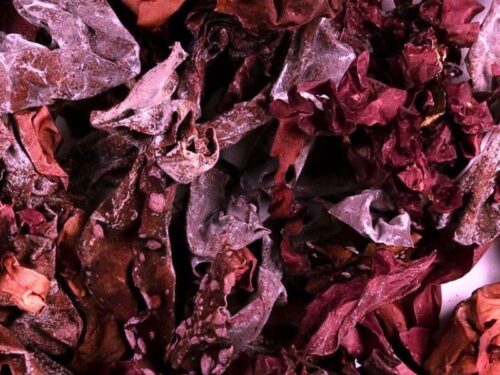
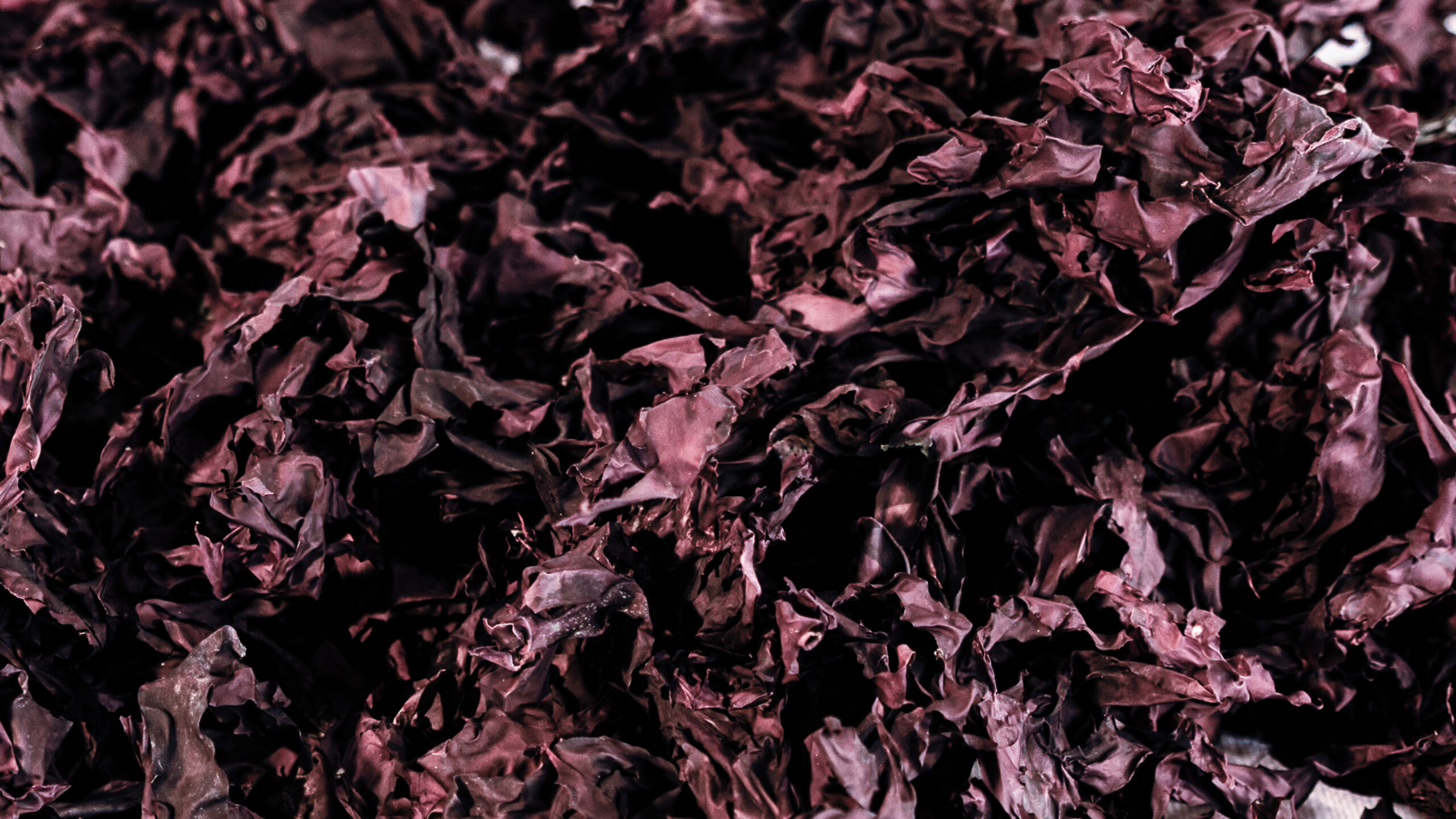
Dulse (Palmaria palmata) is a low-fat food — typically only about 1–4% fat by dry weight. That means it will never rival a fillet of salmon as an omega-3 powerhouse gram for gram, and we’re not going to tell you otherwise. But within that small amount of fat, dulse — especially red algae species like ours — punches above its weight.
Research on North Atlantic red algae has found that in dulse, EPA can account for over 40% of the plant’s total fatty acid content — the highest proportion recorded among red seaweed species studied.
Just as notably, dulse consistently shows one of the most favorable omega-6 to omega-3 ratios of any food studied, in some analyses measured as low as 0.04:1 — meaning omega-3s dramatically outweigh omega-6s. Compare that to the 10:1 or worse ratio typical of a processed-food-heavy diet, and it’s easy to see why a daily sprinkle of dulse flakes is a smart nutritional habit, even in modest amounts.
The honest takeaway: dulse won’t replace fish oil as your primary omega-3 source. But as a daily seasoning that also delivers iodine, potassium, trace minerals, and a favorable fat profile with virtually no added calories, it’s one of the easiest wins in a Grand Manan pantry.
Why Grand Manan Dulse Is Different
Not all dulse is equal, and where it grows changes what it becomes.
Grand Manan Island sits in the Bay of Fundy, home to some of the most extreme tides on Earth — a natural condition that shapes everything about how our dulse grows and how we harvest it:
- Cold water, slow growth, dense nutrients. Studies comparing seaweed across latitudes consistently find that cold-water species from northern locations carry a higher proportion of omega-3 fatty acids than their tropical counterparts. The frigid Fundy waters around Grand Manan are about as far north on the Atlantic seaboard as dulse harvesting gets.
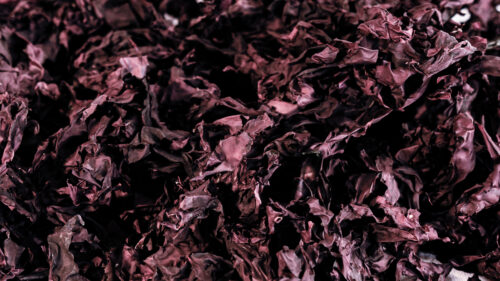
- Dark Harbour shade. The island’s dramatic basalt cliffs shield the western shoreline from direct sun, producing a darker, thicker, more flavorful frond — long regarded by harvesters as the finest dulse grown anywhere.
- True wild harvest. Our dulse isn’t farmed in tanks or grown on ropes. It’s hand-picked from wild intertidal rocks at low tide, exactly the way Grand Manan families have harvested it for generations — leaving part of each frond behind so the beds keep regenerating season after season.
- Sun-dried, not processed. After harvest, dulse is spread and dried naturally by sun and wind — no chemical drying, no additives, no shortcuts.
That combination — cold Atlantic water, minimal sun exposure, and a slow, traditional harvest — is exactly the environment research points to for seaweed with a stronger omega-3 profile and a better omega-6-to-omega-3 balance.
How to Get the Benefit
A serving of 3–7 grams of dulse per day — about a tablespoon of flakes — is a realistic, sustainable way to work more omega-3s and trace minerals into your diet without changing your whole routine. A few easy ways to use it:
- Stir dulse flakes into soups, broths, or grain bowls
- Shake it over scrambled eggs, avocado toast, or popcorn as a salt alternative
- Blend it into a smoothie for a subtle umami boost
- Snack on whole-leaf dulse straight from the bag
Organic dulse flakes are also a simple way to build a more balanced fatty-acid profile over time, especially when paired with other omega-3 sources like fatty fish, flaxseed, or walnuts.
The Bottom Line
Dulse isn’t a miracle omega-3 supplement, and we won’t market it as one — but it is a low-fat, mineral-rich, naturally sustainable sea vegetable with one of the best omega-6-to-omega-3 ratios found in nature, made even stronger by where and how it’s grown.
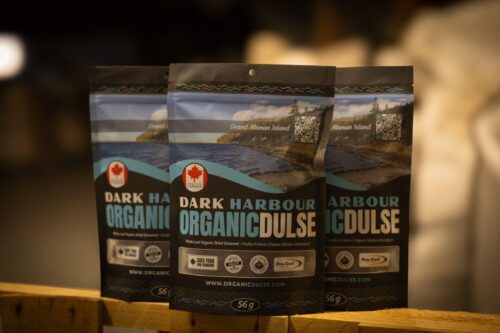
Wild-harvested from the cold, shaded waters of Grand Manan Island’s Bay of Fundy, our dulse carries the traditions — and the nutrition — of one of the last true wild seaweed harvests in North America.
Curious to taste the difference cold Atlantic water makes? Explore our organic, hand-harvested Grand Manan dulse at OrganicDulse.com.